
5 Things No One Tells You About Climbing Mount Kenya
Mount Kenya is not Kilimanjaro, and the differences matter. Here are five things most operators do not say out loud before you start.
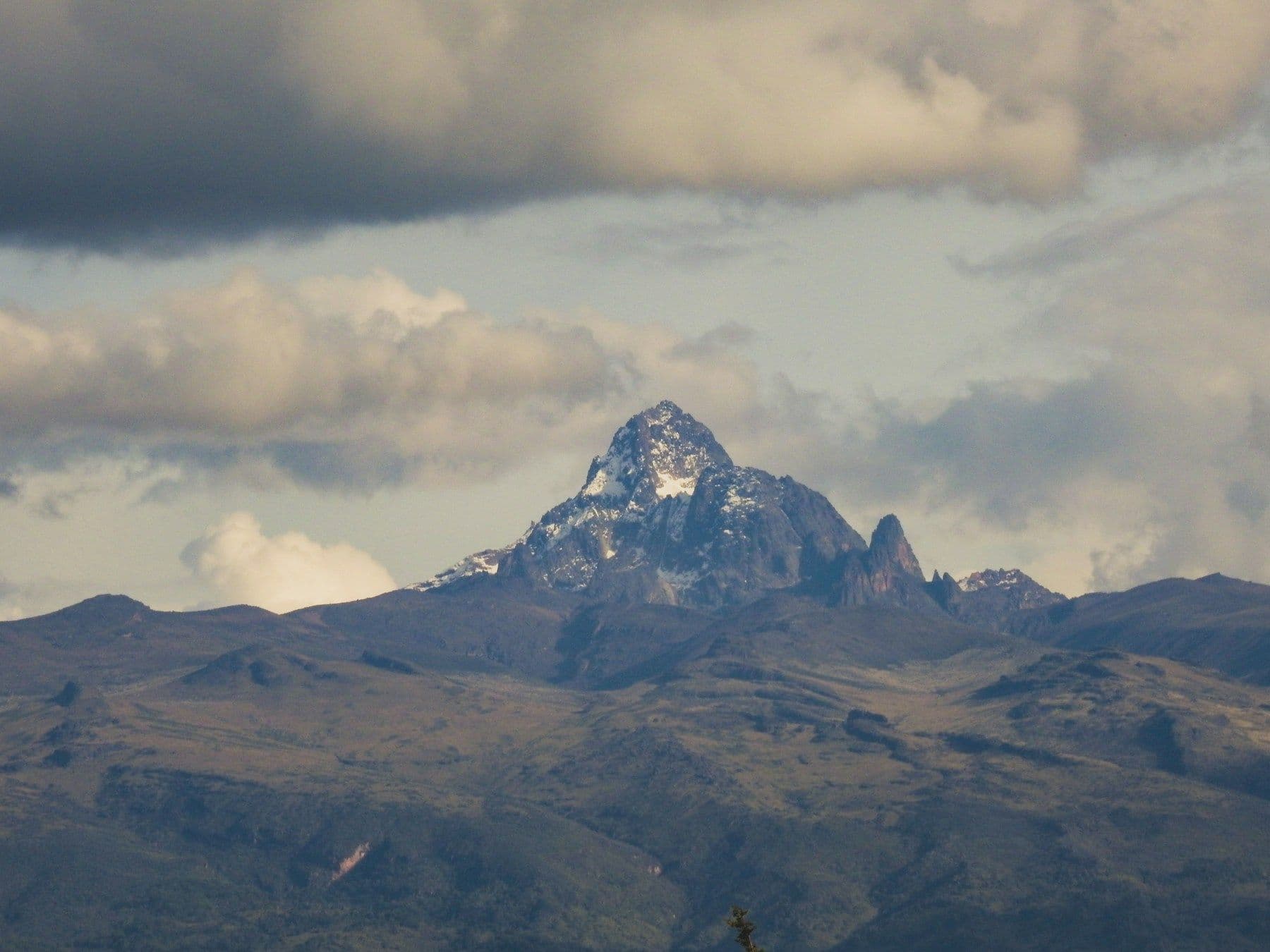
Most pre-trip research on Mount Kenya focuses on the logistics: which route, how many days, what to pack. That information is easy to find. What is harder to find is the honest, slightly uncomfortable truth: the things that only come up when you are actually on the mountain.
Here are five things our guides wish more clients knew before they started.
1. Altitude Affects You Differently Every Time
If you have been to altitude before and felt fine, that does not mean you will feel fine this time. The relationship between altitude and individual physiology is not linear, and it changes with age, fatigue, hydration, and timing.
We have guided fit, experienced mountaineers who struggled above 4,000 m and complete beginners who walked to the summit without a headache. There is no reliable predictor. What there is, is a well-designed itinerary with enough time to acclimatise, and a guide who is watching you closely.
2. The Summit Push Is Not the Hardest Part
Most clients arrive at Shipton's Camp (4,200 m) convinced that summit day will be the defining challenge. Often it is not. The acclimatisation day that comes before it is when the altitude fatigue, poor sleep, and disrupted digestion tend to hit hardest.
This is normal and it is temporary. The body adapts over 24 to 48 hours. The key is not to interpret a difficult acclimatisation day as a sign that you should turn back. It usually means the itinerary is working exactly as it should.
3. Cold Is the Enemy, Not Altitude Alone
Most people pack for altitude. Not enough people pack for cold. At 4,200 m in January, night temperatures at Shipton's Camp regularly drop to -8 degrees Celsius. Summit morning is colder. Hands and feet suffer first.
The single most common cause of turning back before the summit is not altitude sickness. It is being too cold to continue. Good insulating layers, waterproof gloves, and thick wool or synthetic socks are not optional. They are the difference between a completed summit and an early, uncomfortable descent.
4. The Mountain Is Bigger Than the Guidebook
Distance and elevation numbers do not prepare you for the scale of this landscape. The moorland above Old Moses Camp on the Sirimon route extends for what feels like days. The Gorges Valley on the Chogoria approach is genuinely staggering, not in the way of a photograph, but in the way of a place that makes you feel very small.
This is not a warning. It is the point. Mount Kenya rewards people who have the time and the itinerary to actually be in it, rather than rushing through it. If your trip allows only the minimum number of days, you will reach the summit, but you will miss most of what makes this mountain extraordinary.
5. Your Guide Is the Most Important Thing You Will Pack
This sounds obvious and it is not taken seriously enough. A KWS-licensed guide on Mount Kenya is not a convenience. It is a legal requirement, and more importantly, it is the primary safety system on the mountain.
Your guide knows the weather patterns. They know which trekkers to slow down and which to encourage. They carry oxygen and a pulse oximeter. They have made this ascent dozens or hundreds of times and they can read the mountain in ways that no amount of guidebook research can replicate.
Choosing an operator based on price alone is the most expensive mistake you can make on this mountain. Ask about your guide's qualifications, their years on this specific peak, and their protocol for turning clients around. If an operator cannot answer those questions directly, keep looking.