
How to Train for a Mount Kenya Trek: A 12-Week Guide
You do not need to be an athlete to climb Mount Kenya. But you do need to prepare. Here is a realistic 12-week training plan from our lead guides.
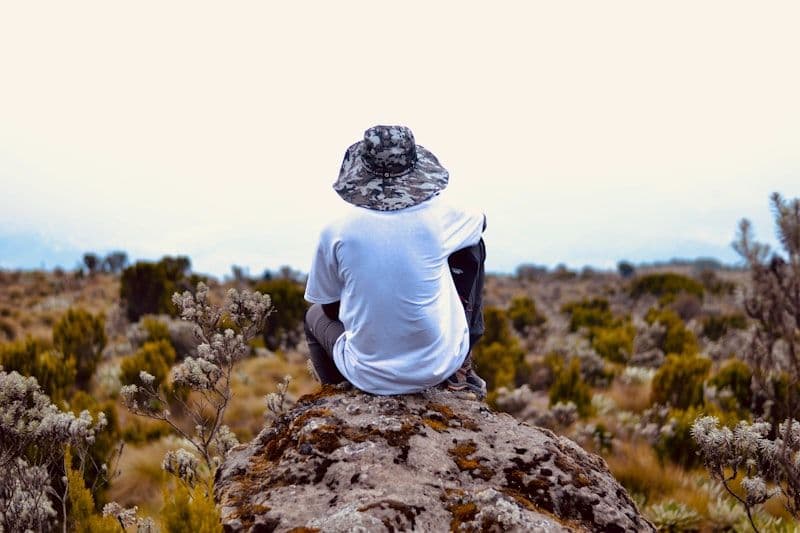
Point Lenana (4,985 m) is a trekking peak. There is no technical climbing required. A reasonably fit person who takes the right itinerary can reach it. However, the altitude component of Mount Kenya changes the calculation in ways that a gym routine alone does not prepare you for.
Here is how our guides recommend preparing, assuming you have twelve weeks before departure.
Weeks 1 to 4: Base Fitness
The first priority is cardiovascular endurance. Mount Kenya days are long, typically six to nine hours of walking with a loaded pack. If you are not already walking regularly, start with 45-minute walks three times a week and build to 90 minutes over the first month.
Add one longer day each weekend: three to four hours at a pace you can sustain comfortably. This is not about speed. It is about time on your feet.
Strength Work
Your knees and ankles take the most punishment on a mountain descent. Squats, lunges, and single-leg step-downs are more useful than any amount of flat-road cardio. Aim for two sessions a week throughout the training period.
Core stability matters too, especially with a loaded pack. Planks and glute bridges require no equipment and directly reduce lower back fatigue on long days.
Weeks 5 to 8: Building Load and Elevation
This is where the training gets specific. You need hills. If you live somewhere flat, a staircase or a stadium works. The goal is to simulate the 900 m to 1,200 m of ascent that characterises most Mount Kenya camp days.
Start hiking with a loaded pack. Eight to 10 kg is realistic for a well-packed Mount Kenya kit. This changes the workout significantly and also tells you early whether your boots fit properly and your pack sits correctly.
Increase your long weekend walk to five to six hours. On at least two occasions, do back-to-back long days: a long walk on Saturday followed immediately by another on Sunday. Mount Kenya days are consecutive, so training your body to recover overnight is valuable.
Weeks 9 to 12: Altitude Simulation and Final Preparation
There is no substitute for actual altitude, but there are things you can do. Train at higher intensity through intervals and tempo work to stress your aerobic system in ways that roughly simulate altitude demand. Sleep well. Avoid alcohol in the final four weeks, as it degrades sleep quality and has a measurable effect on altitude acclimatisation.
If you have access to an altitude tent or a hypoxic training facility, this period is when to use it. If not, do not worry. The most important altitude preparation is choosing an itinerary with enough acclimatisation days built in.
What You Actually Need on the Day
Our honest assessment: a client who can complete a six-hour hill walk with a loaded pack without feeling destroyed has the fitness for a 5-day Sirimon route with an acclimatisation day. The altitude will do some of the hard work for you. It slows everyone down and makes the required pace conservative by lowland standards.
The clients who struggle most are not the unfit ones. They are the ones who are fit but impatient, pushing the pace on day two and arriving at camp already in deficit. Train your patience as much as your legs.
Kit Considerations During Training
Break in your boots before the mountain. This is not negotiable. Blisters are the most common reason people fail to enjoy their trek, and they are entirely preventable with 10 to 15 full days in the footwear you will use.
Test your sleeping system. On a Mount Kenya trip, you will sleep at 3,300 m and 4,200 m in conditions that regularly drop below freezing. A sleeping bag rated to -5 degrees Celsius comfort is the minimum. If you are renting equipment, confirm the comfort rating with your operator before arrival.